

The Canadian E-Z UP® Blog
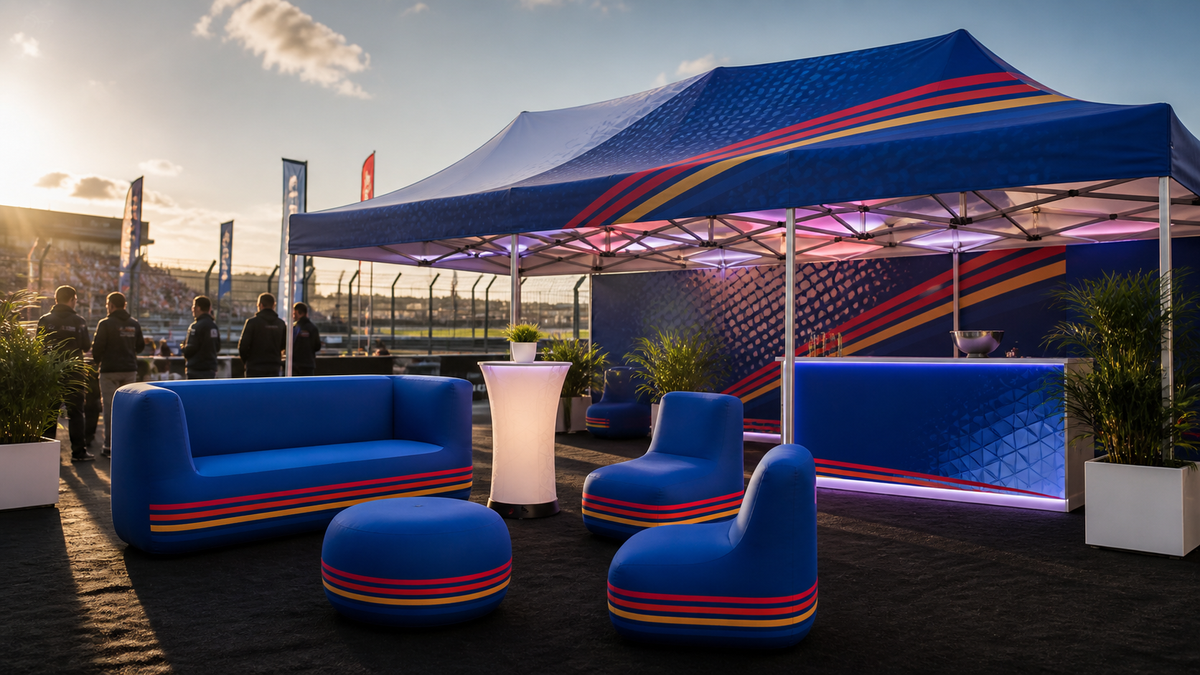
Make Your Event Stand Out with a Branded Event Lounge
Build a memorable branded event lounge for banking, racing, VIP gatherings, festivals and trade shows with custom Aero furniture, canopies and inflatables.
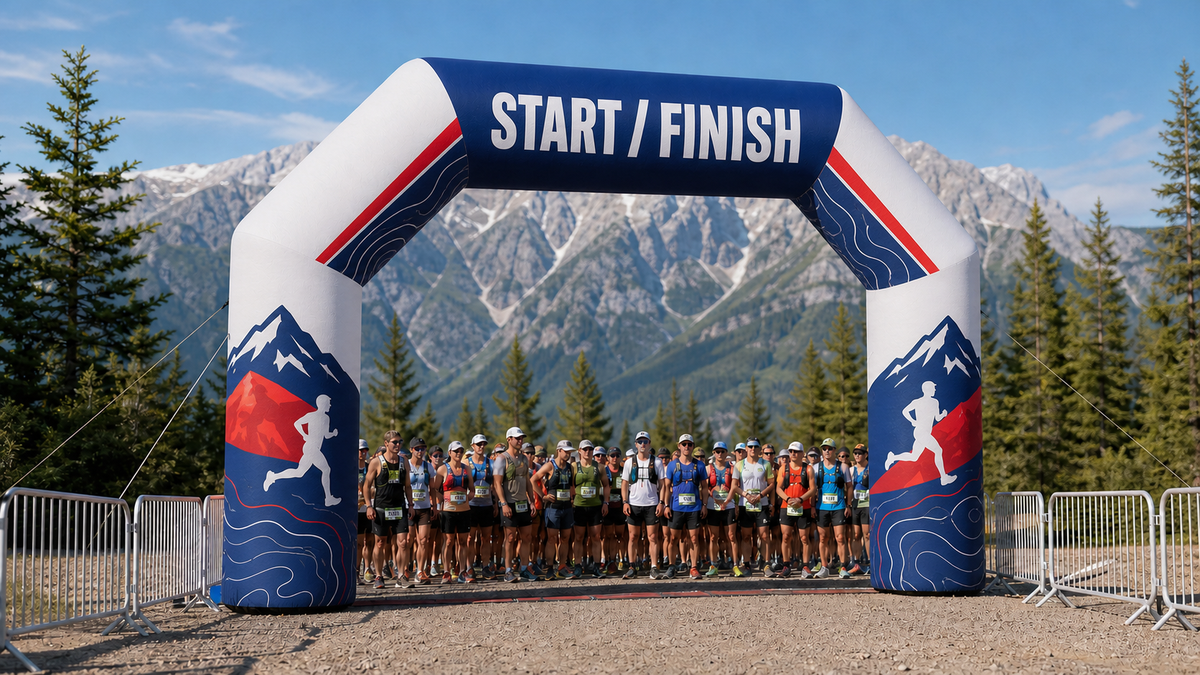
Race Arch Planning Guide
Plan a race arch around route clearance, inflation, sponsor visibility, power, transport and safe event operations.

Custom Inflatable Arch Pricing in Canada
Compare custom inflatable arch pricing, sizes, inflation systems and event applications before planning a race, festival or branded entrance.
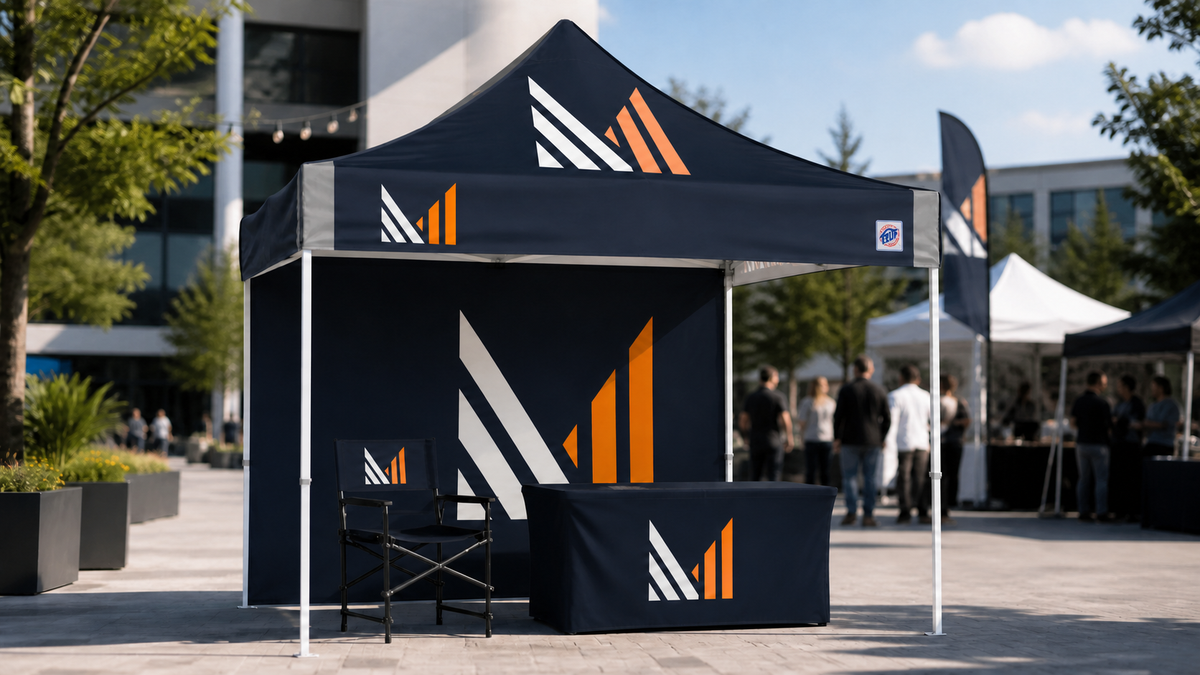
How Much Does a Custom Canopy Tent Cost in Canada? 2026 Guide
Custom canopy tent prices vary by frame, size, print coverage and accessories. Compare current E-Z UP price points and learn what to include in a professional event package.
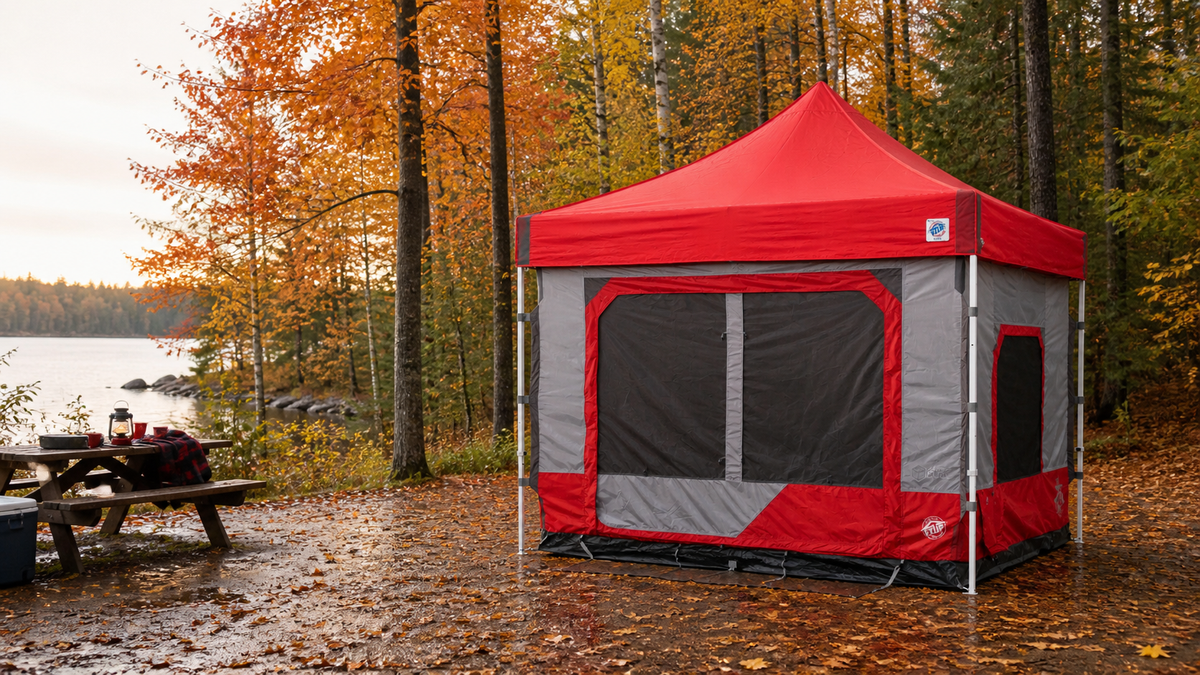
Fall Camping in Canada: How to Stay Dry and Comfortable
Cooler nights, changing weather and quieter campgrounds make autumn a rewarding time to camp. Use this practical guide to build a dry, comfortable and organized fall campsite.

How to Choose a Commercial Patio Umbrella for Your Business
Choose the right commercial patio umbrella for a restaurant, hotel, golf club, resort or spa. Compare sizes, fabric, custom branding and base requirements.
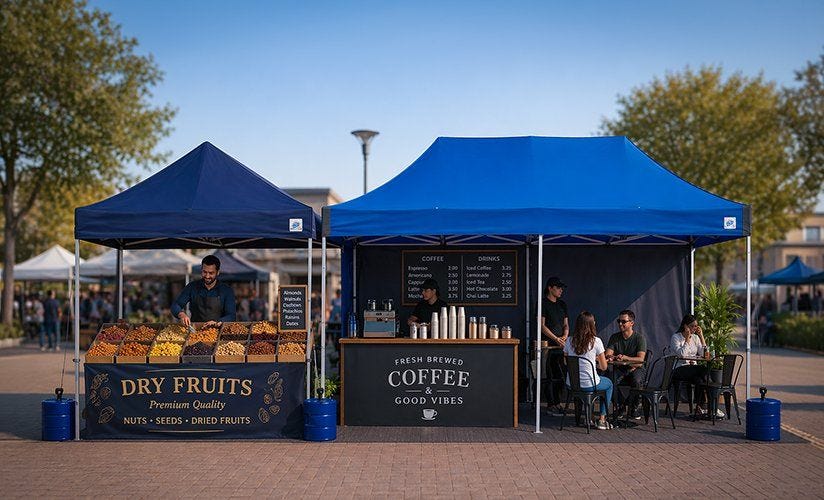
10x10 vs. 10x20 Pop-Up Canopy: Which Size Is Right for Your Canadian Event?
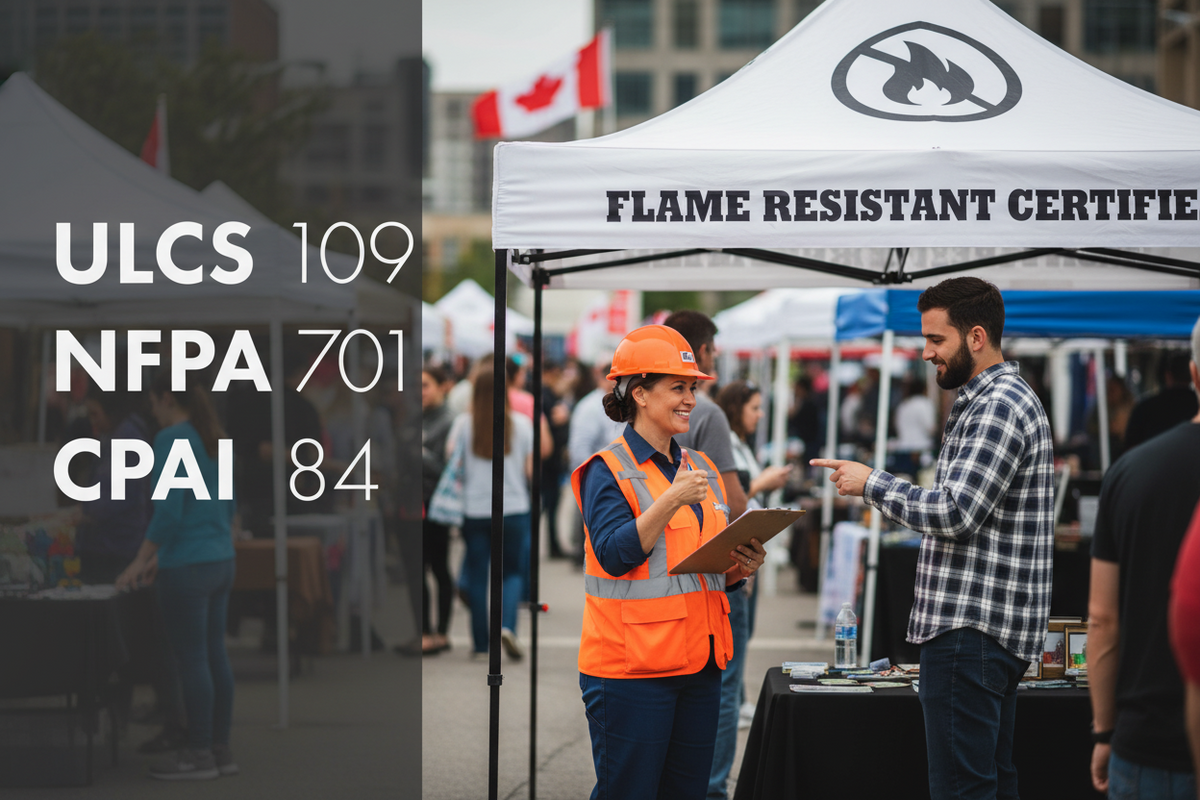
Pop-Up Canopy Fire Certification in Canada: What Event Vendors Should Know
Learn which canopy fire certificates Canadian markets, festivals and venues may request. Compare standards, prepare documents and download E-Z UP certificates.
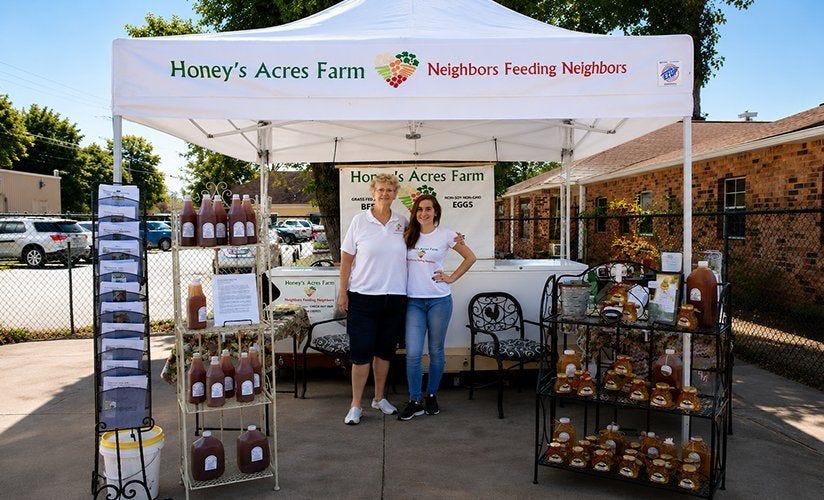
How to Choose a Farmers’ Market Canopy in Canada
A farmers’ market canopy has to do more than create shade. It must fit the vendor space, present your brand clearly, withstand repeated setup, and be…
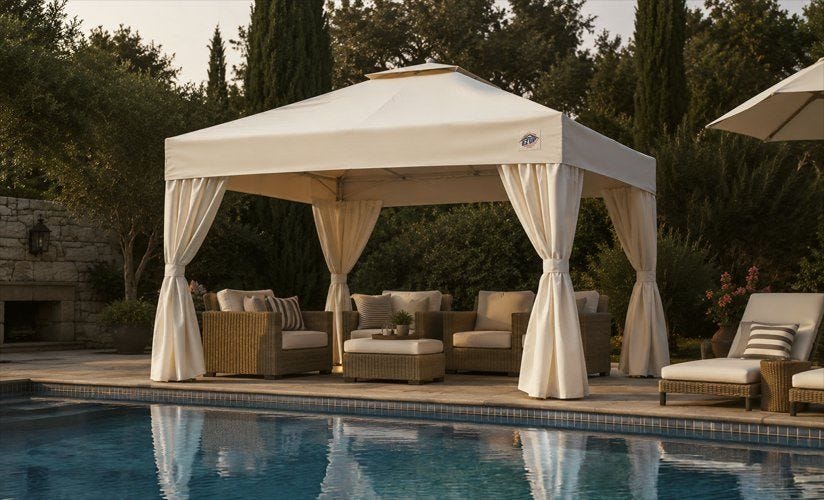
Pool Canopy Buying Guide: Shade Solutions for Decks, Pools & Patios
Compare portable pool canopies, cabanas, shade sails and pergolas, then learn how UV protection, water resistance, frame material and anchoring affect your poolside setup.
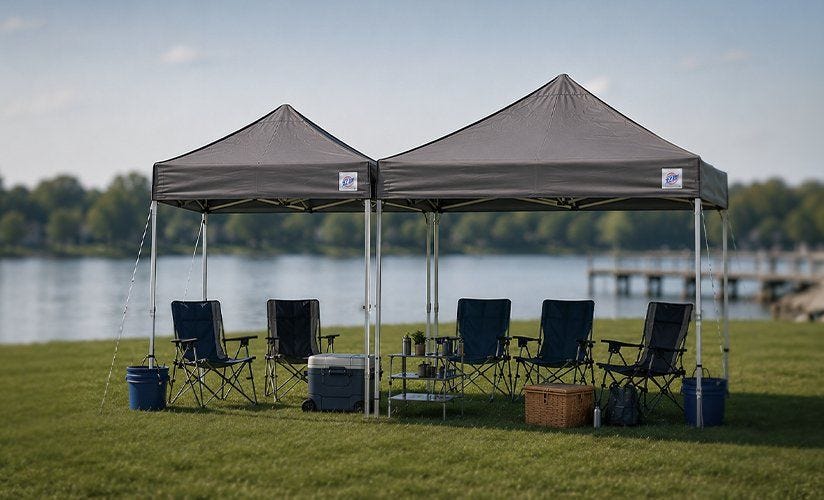
13x13 Canopy vs 10x10 Canopy: When You Need More Coverage (and When You Don't)
The biggest trade-off between a 13x13 canopy and a 10x10 canopy tent comes down to shade versus stability. A 13x13 gives you 169 square feet of coverage, making it ideal for larger setups and sun protection. A 10x10 pop up canopy covers 100 square feet but holds up significantly better in windy conditions because of its smaller surface area.
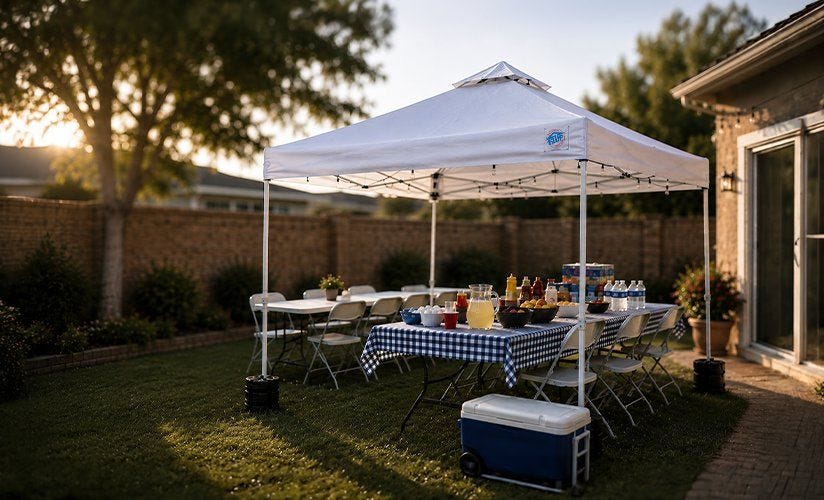
How to Set Up a Canopy Tent in Your Backyard: Basic Steps and Stability Tips
Setting up a canopy tent in the backyard takes under 10 minutes once you understand the basic sequence. All E-Z UP canopy tents are one-piece instant shelters, meaning no separate poles or supports need to be assembled. You simply expand the frame, secure the locks, raise the legs, and anchor the tent to the ground. That said, every canopy tent model comes with its own specific setup instructions.
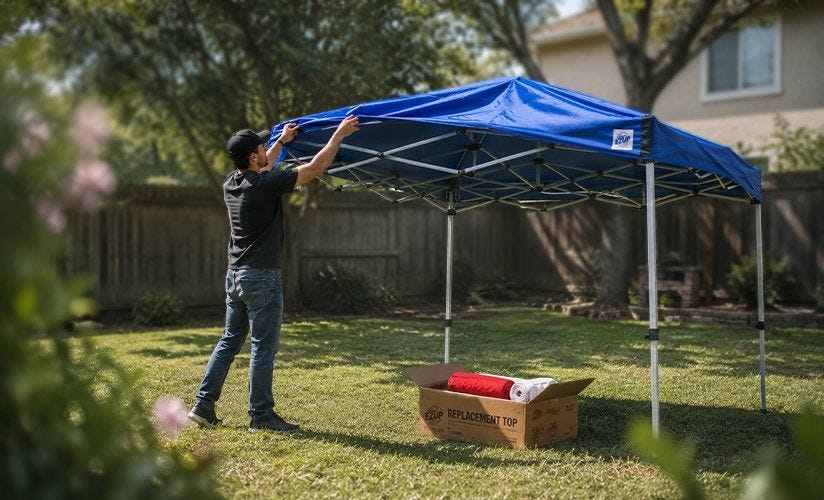
Canopy Tent Replacement Tops: How to Find the Right Fit for Your Frame
Your frame is still solid but the top is faded, torn, or sagging. You do not need a whole new setup. A replacement canopy top can restore full protection at a fraction of the cost. The key is matching the right top to your exact frame size and model so it fits tight and performs the way it should.
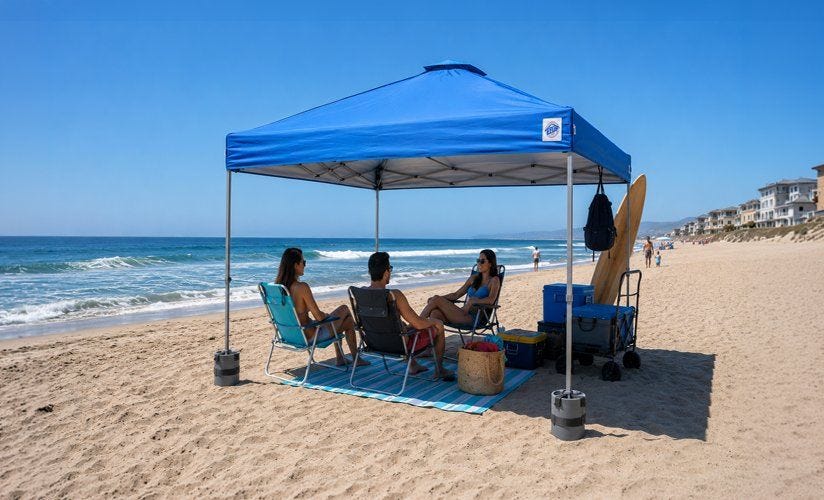
How to Secure a Pop-Up Canopy at the Beach: Stakes, Weights and Wind Tips
Sandy ground gives almost nothing to grip onto and coastal wind shows up without much warning. The good news is that anchoring your pop up canopy tent properly takes about ten extra minutes of prep and it makes the difference between a tent that stays put all day and one that becomes a hazard to everyone nearby.
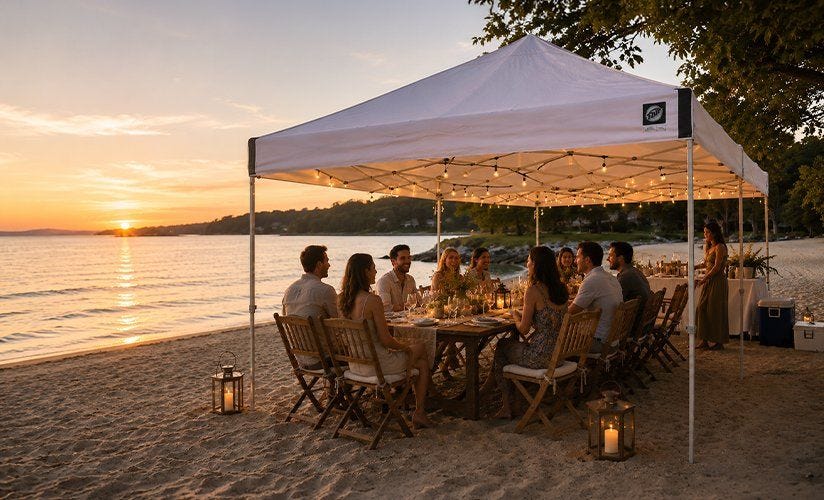
Best Large Canopy Tents for Groups: 13x13 vs 10x15 vs 10x20 Compared
Picking the wrong canopy size is one of the most common mistakes people make before an outdoor event. You either end up cramped under too little coverage or hauling a structure far bigger than you actually need.

Enclosed Canopy Tents: When to Use Sidewalls, Zip Walls, Mid-Zip Sidewall and Full Enclosures
You've got your canopy set up, the event is underway, and then the wind starts blowing or light rain moves in. That's when sidewalls go from an optional accessory to an essential part of your setup.
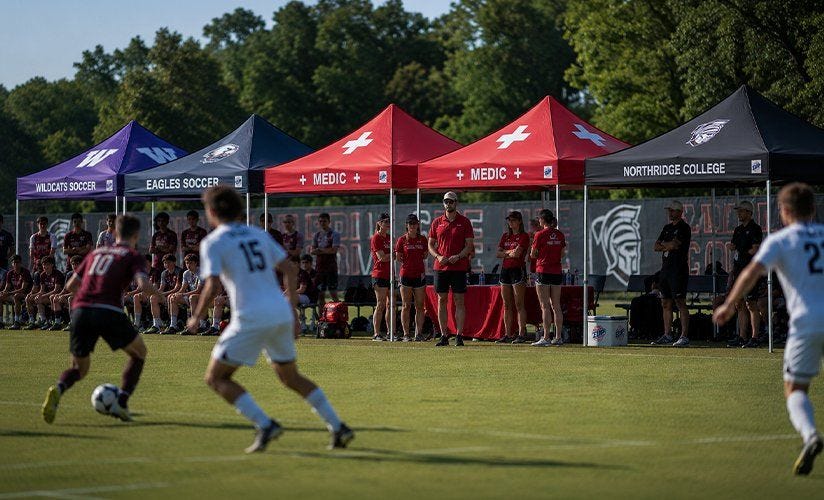
How to Choose the Right Canopy Color for Your Brand, Team, or Event
Have you ever noticed how some canopy tents grab your attention instantly while others blend into the background? In many cases, color is the reason.
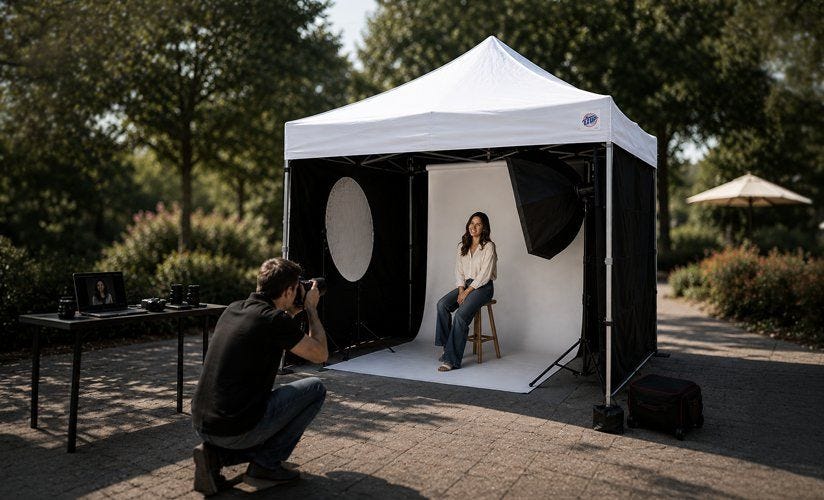
How to Set Up a Professional Outdoor Photography Space Under a Canopy Tent
A photography canopy tent turns any outdoor location into a controlled shooting environment. By blocking harsh overhead sun and diffusing natural light through the canopy roof, photographers get softer and more flattering results without expensive studio gear. A 10x10 pop up canopy is the most popular size for solo and small-team setups.
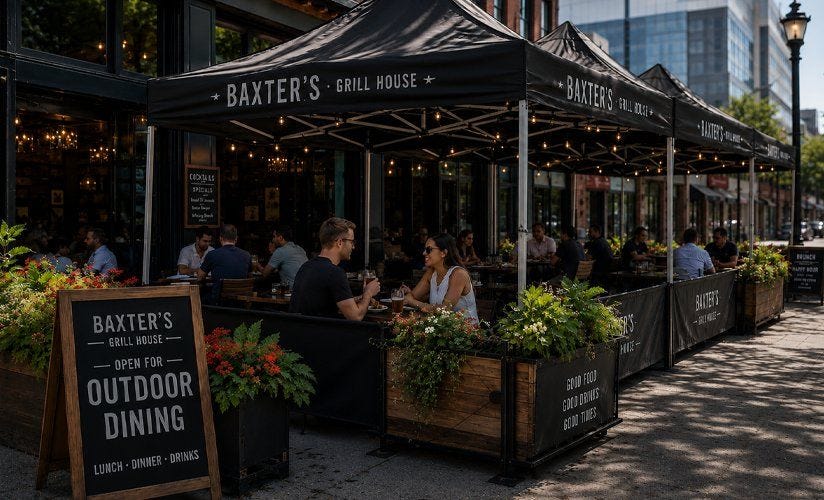
How to Use a Canopy Tent for Outdoor Dining: Restaurant Setup, Food Safety, and Customer Experience
Restaurants looking to expand seating without construction can use a commercial canopy tent to create a covered outdoor dining area quickly and affordably. The right setup protects the guests from sun and light rain, meets local regulations, adding a usable revenue-generating space without a permanent build-out.
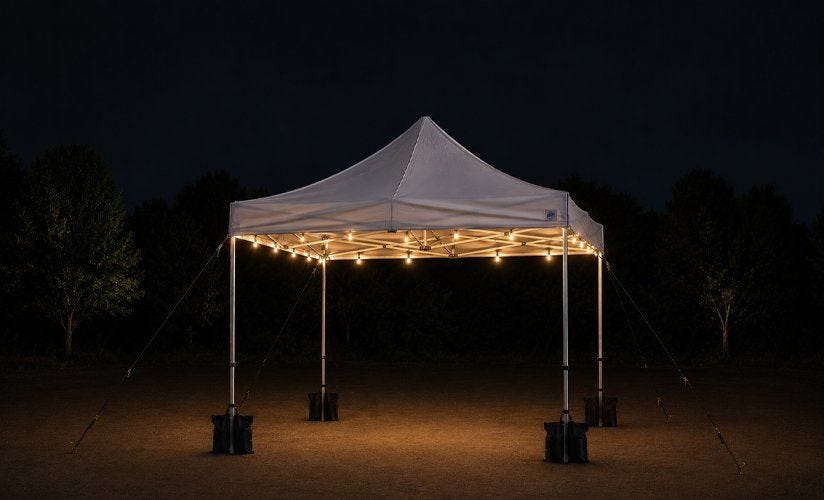
Can You Leave a Pop-Up Canopy Up Overnight? Risks, Rules, and What Vendors Need to Know
It's a question every outdoor vendor has asked at some point: can you leave a pop-up canopy up overnight? Whether you're a first-time market vendor or a seasoned craft fair regular, packing down your entire setup at the end of a long day only to reassemble it the next morning sounds exhausting. It's tempting to leave it standing.